Categories
News

InnoRenew CoE, UP IAM at the Sustainable Waste Management in Materials Science conference

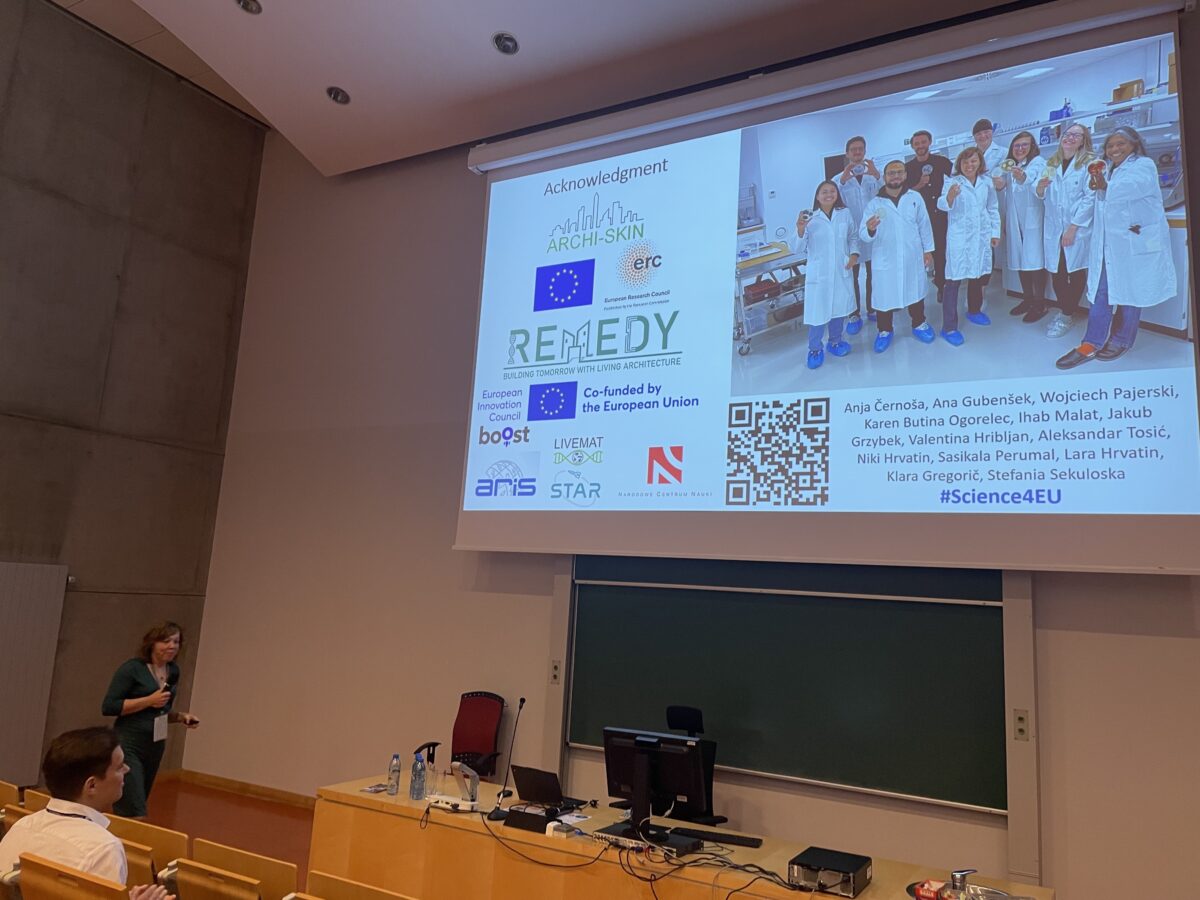
InnoRenew CoE, UP IAM researchers participated in the Sustainable Waste Management in Materials Science (SWMMS 2026) conference, held 21-23 September 2026 in Poznań, Poland.

Dr. Anna Sandak, InnoRenew CoE, UP IAM Materials research group leader, delivered a plenary talk titled “Nature has no waste – rethinking materials design through living systems”, presenting research carried out within the ARCHI-SKIN, REMEDY, LIVEMAT and STAR projects.

Categories
News

REMEDY’s 3rd project meeting and General Assembly

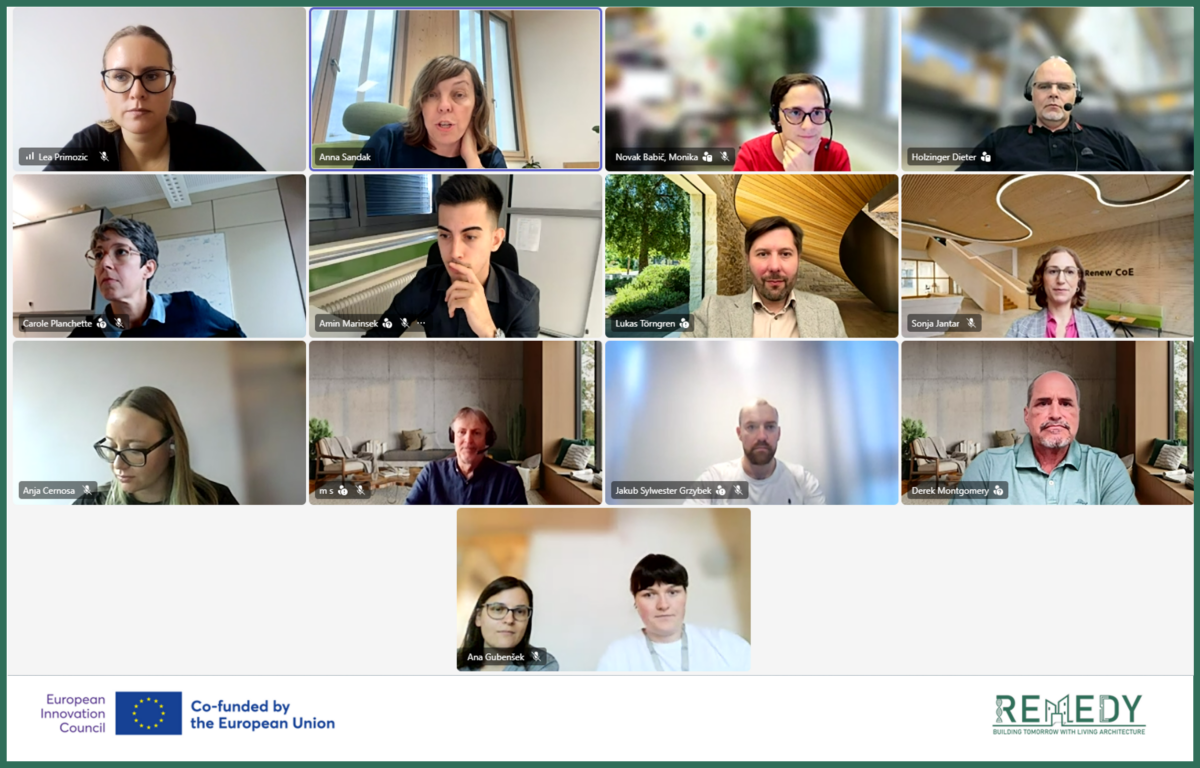
REMEDY project partners attended the 3rd progress meeting and the General Assembly, held online on 17 September 2026.

The meeting started with the welcoming words of Dr. Anna Sandak, REMEDY project coordinator, followed by partners presenting the work packages. The focus was on the progress within individual work package and plans for the next activities.

Next, was the General Assembly where partners reviewed the status of the six-month reporting period, intellectual property management strategy, selected booster activities, including go to market support, networking and coaching for public speaking, as well as the upcoming 4th ELMs annual meeting which will take place in Copenhagen and REMEDY representatives will be there.

The meeting was a nice opportunity for an in-depth review of the project’s progress and alignment on the next steps for its successful implementation.

Categories
News

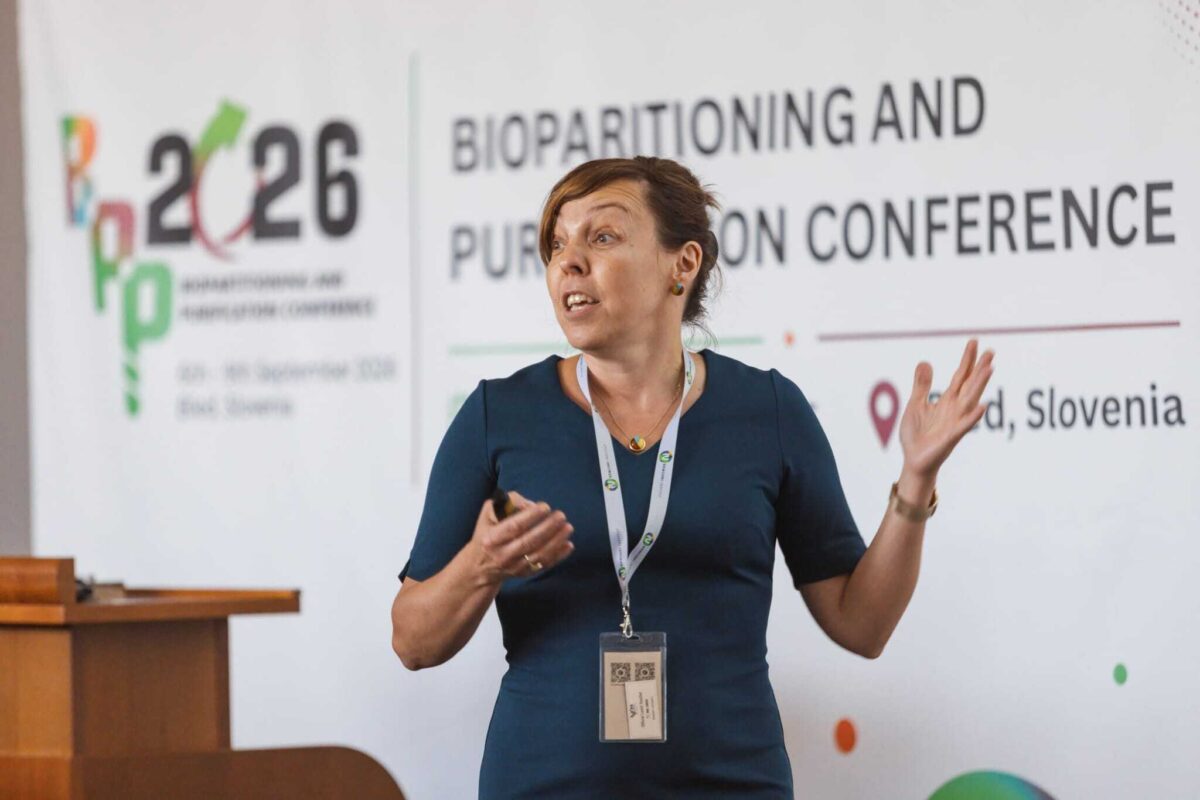
REMEDY presented at the BPP 2026 conference

Dr. Anna Sandak, delivered a keynote lecture at the Biopartitioning and Purification Conference (BPP) 2026, entitled Engineered Living Materials as Integrated Bioprocessing Systems: From Living Cells to Resilient Cities.

In her talk, she explored engineered living materials (ELMs) from the perspective of integrated bioprocessing, focusing on fungal biofilms and microbial consortia that can be organised within materials to form living coatings, printable inks, and composite structures. These systems enable microorganisms to grow and produce their own structural matrices, creating functional materials directly during cultivation. By controlling growth conditions, formulation, and spatial organisation, living cells can be retained within the material, where they continue to perform functions such as sensing, regeneration, and bioremediation, reducing the need for extensive downstream processing while enabling materials that remain active over time.

The Biopartitioning and Purification Conference (BPP) has evolved from its original focus on aqueous two-phase partitioning to a broader platform covering diverse bioseparation techniques since BPP 2013 in Vancouver. Today, it brings together academia and industry to advance the separation of high-value bioproducts alongside topics such as biomass processing, waste valorisation, novel bioproduct development, technoeconomic analysis, life cycle assessment, and regulatory frameworks.
Categories
News

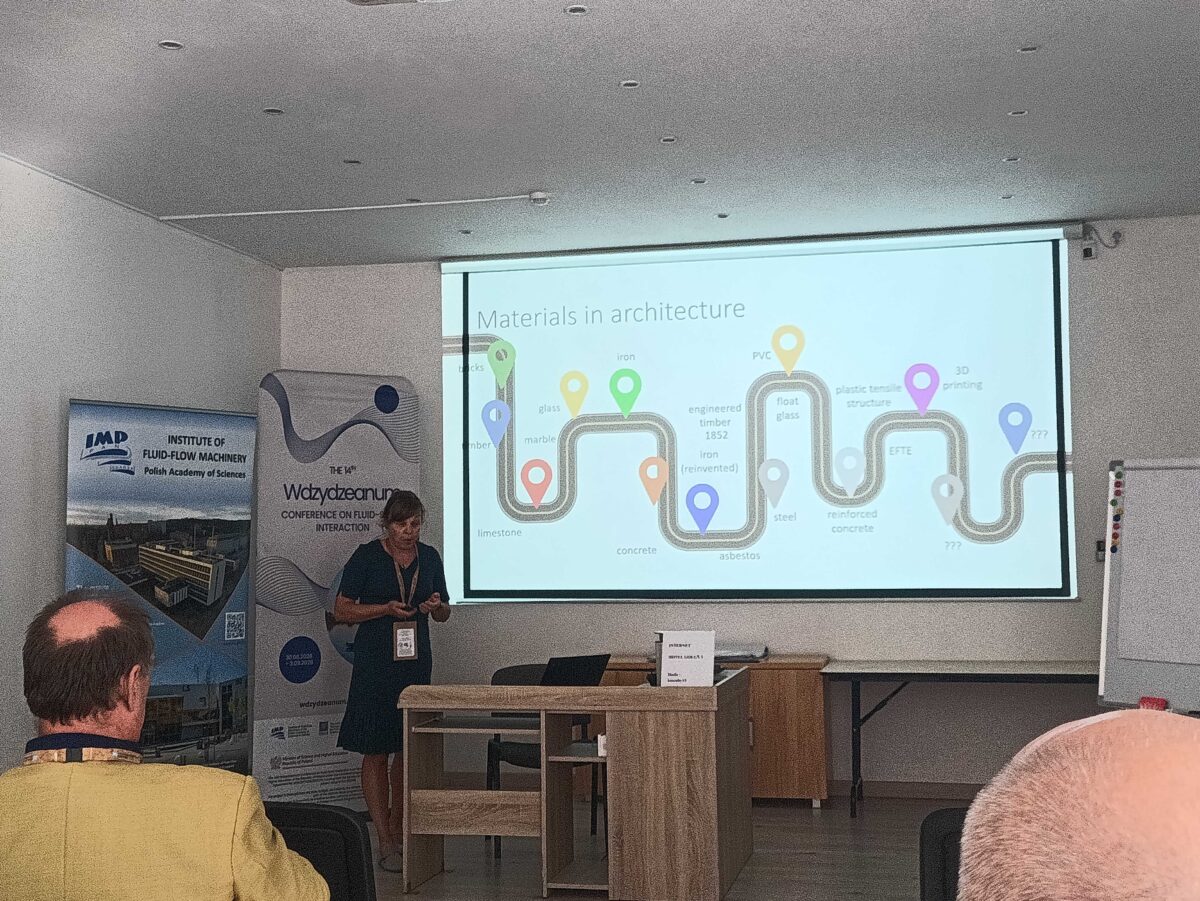
REMEDY presented at the 14th Wdzydzeanum Conference on Fluid–Solid Interaction

Dr. Anna Sandak delivered a keynote lecture titled “Living Interfaces: Fluid–Solid Interactions in Engineered Living Materials”, highlighting the emerging role of bio-based and living materials in fluid–solid interaction research.

The annual conference brought together researchers and innovators working on the modelling, testing and application of phenomena at the fluid–solid interface. Its broad scientific programme covered topics including combustion processes, renewable energy sources, flow through porous materials, catalytic combustion, filtration, fuel cells, turbine component cooling, energy storage systems and cost-effectiveness analysis.

Categories
News

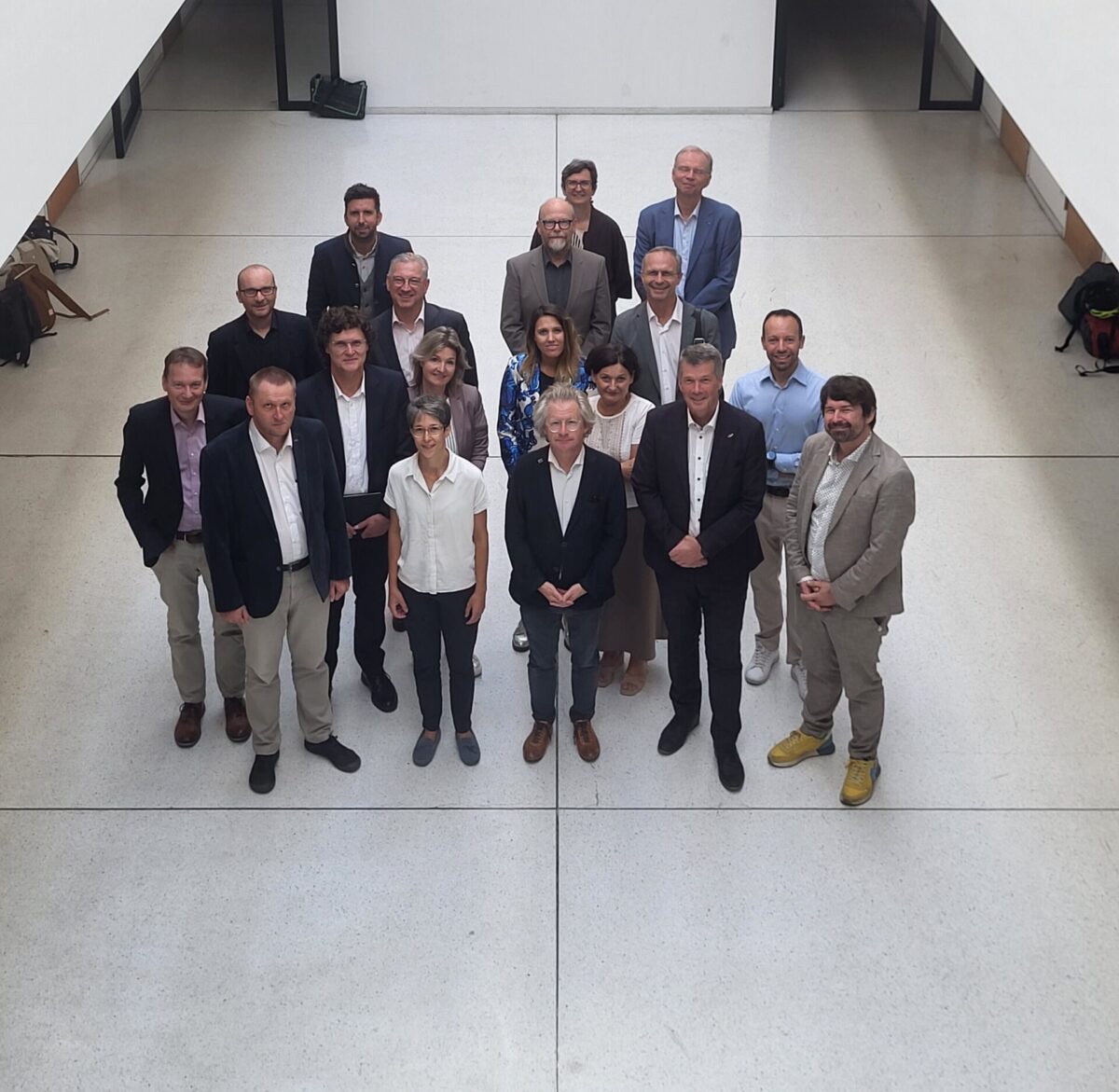
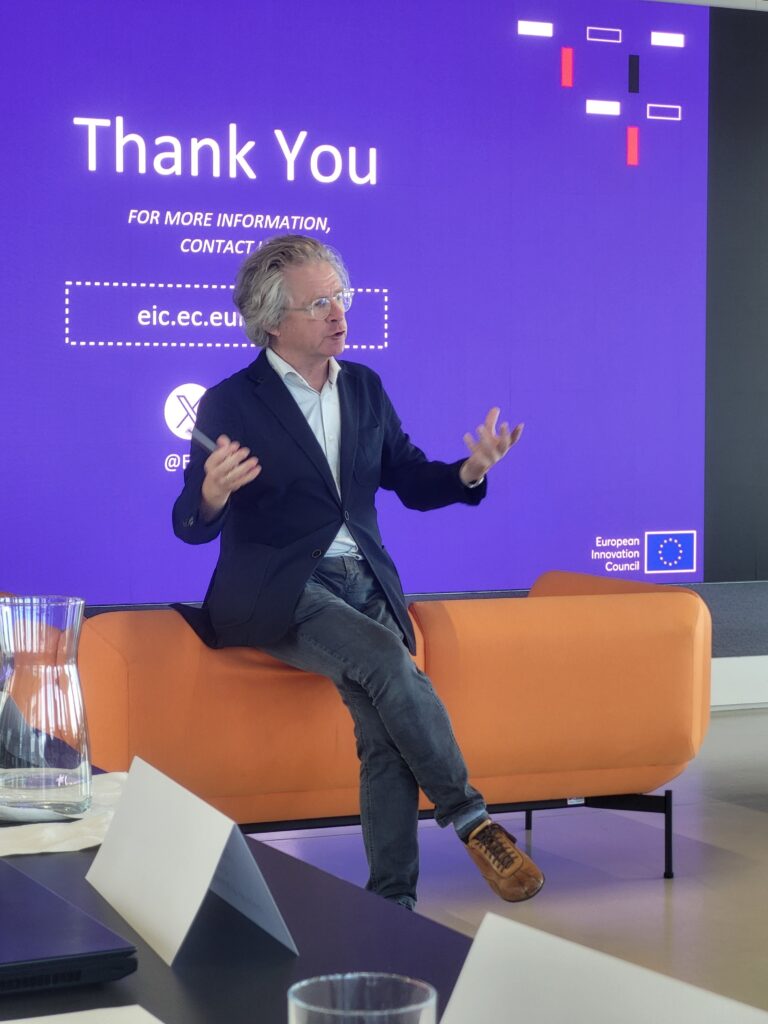
Project REMEDY presented during EIC President Michiel Scheffer Visits at TU Graz

On September 2, 2026, Michiel Scheffer, President of the European Innovation Council (EIC) Board, visited Graz University of Technology (TU Graz) to discuss European innovation policy and the future of deep-tech funding.
The high-level visit focused on how EU funding ecosystems can better scale up high-risk, high-impact technologies and bridge the gap between academic frontier research and industrial market readiness.
As part of the strategic visit, Project REMEDY was selected as one of four prominent EIC-funded projects to be showcased. Carole Planchette, who leads the REMEDY project team at TU Graz, presented the project’s core vision, milestones, and ongoing progress directly to President Scheffer and the accompanying delegation.
The successful exchange highlighted REMEDY’s alignment with the EIC’s mission to support breakthrough technologies that address complex societal and industrial challenges. We thank Michiel Scheffer, the EIC delegation, and national innovation partners for their inspiring dialogue and continued support of our research.